131 N San Gabriel Blvd, Pasadena, CA, 91107
Bonded & Insured
Pasadena, CA

Pasadena Insulation Contractor for Cooler Summers and Warmer Historic Homes

In Pasadena, the heat comes in through the roof. On a 95°F September afternoon, a vented attic over a 1920s bungalow can hit 140–150°F, and with little or no insulation under it, that heat comes straight down through the ceiling and keeps the AC running well after sunset. Winter brings the opposite problem: drafty walls, cold raised floors and old wall furnaces that can't keep up. Bright Home Insulation fixes the gaps your home was built with. We start with an honest look at what's in your attic and crawlspace, then install insulation sized for Climate Zone 9 so it actually works.

Pasadena's homes need a lighter touch than most. We regularly work in Craftsman bungalows in Bungalow Heaven, mid-century ranches in Hastings Ranch and Period Revival estates in San Rafael Heights. That means tight low-slope attics, original lath-and-plaster, roof-rat nests, and smoke-damaged insulation left behind by the Eaton Fire. Our crew explains every step, protects your floors and finishes, and plans any wall work around historic-district rules. Whether you need one attic topped off or a whole-home retrofit, the process stays simple from start to finish.

  • Bonded and insured
  • Free in-home consultation
  • Financing available
  • Serving Pasadena within a 20-mile radius
Free Estimate

Request Your Free Estimate

No obligation. Fast, honest quotes.

Prefer to talk? Call (626) 507-4232 — your details are never shared.

Credentials & Certifications BondedInsuredFinancing available
What We Do

Insulation Services Built for Pasadena Homes

Each service below fits a specific kind of Pasadena house: tight bungalow attics, mid-century roofs, fire-affected homes and so on. We recommend based on what we actually find during the inspection. That might be one targeted fix or a combination of services that get your home to Title 24 levels without damaging what makes it worth preserving.

★ Specialty

Attic Insulation

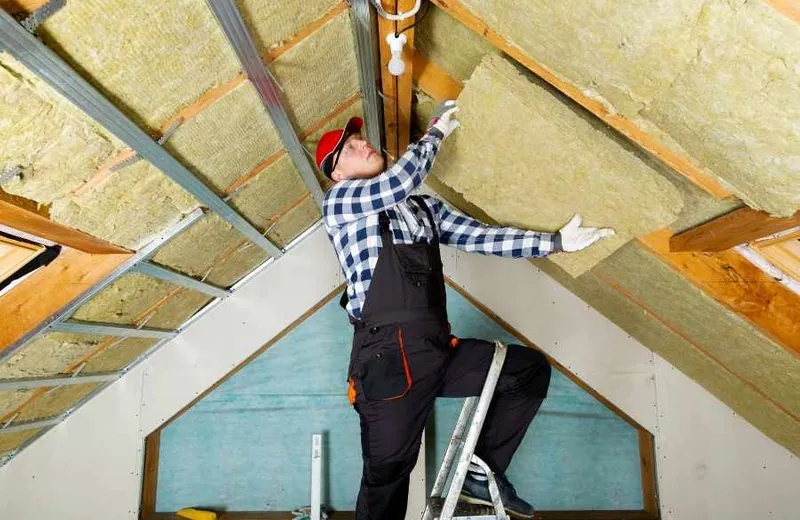
We bring attics up to roughly R-38 or higher, the Title 24 benchmark for Climate Zone 9. The work includes air sealing, baffles, hatch insulation and protecting can lights, so the new insulation performs the way it's rated.

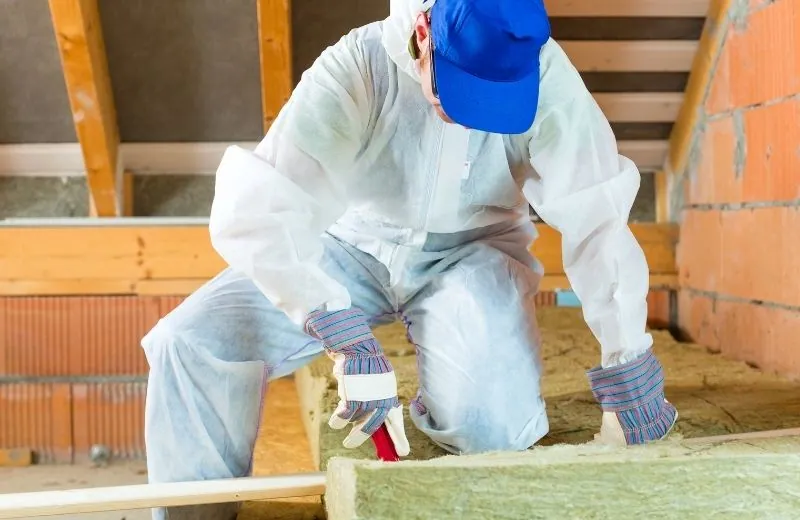
We start with a visual inspection and photos. We check for vermiculite, rodents, knob-and-tube wiring and leaky ducts. We seal top plates and penetrations, install rafter baffles, then add blown-in or batt insulation to the specified depth with marked depth rulers.

In low-pitched Craftsman attics with 24–36 inches of headroom, our crew works on its stomachs and uses long-hose blowing to reach the eaves. On larger San Rafael and Arroyo estates, we map each attic section separately so none of them gets missed.

Best for: Homes with hot upstairs rooms, rising PWP bills, settled old insulation, or a re-roof or HVAC change-out that triggers Title 24 compliance.

Explore
★ Specialty

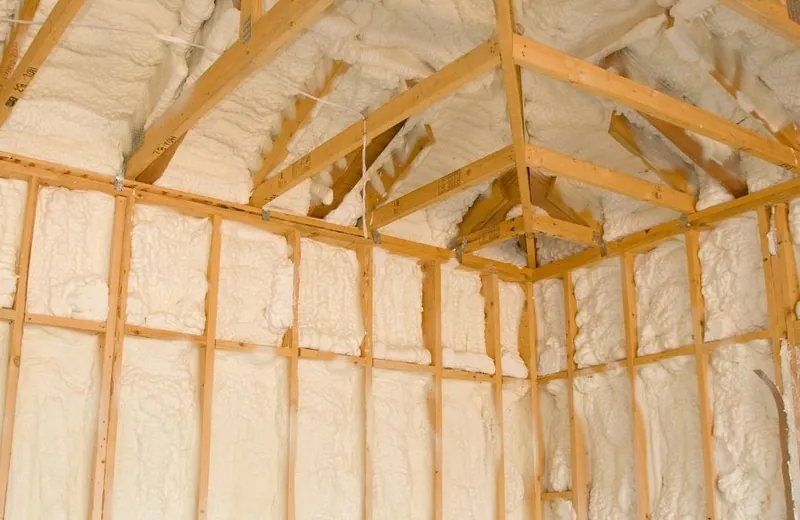
Spray Foam Insulation

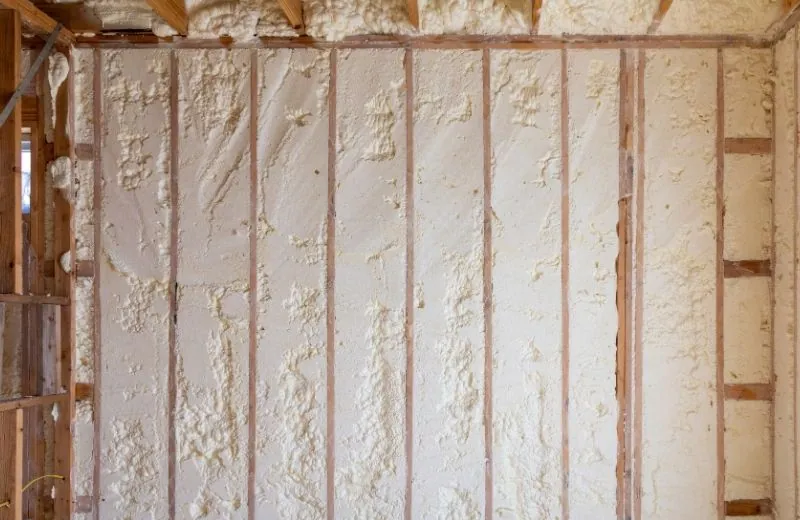
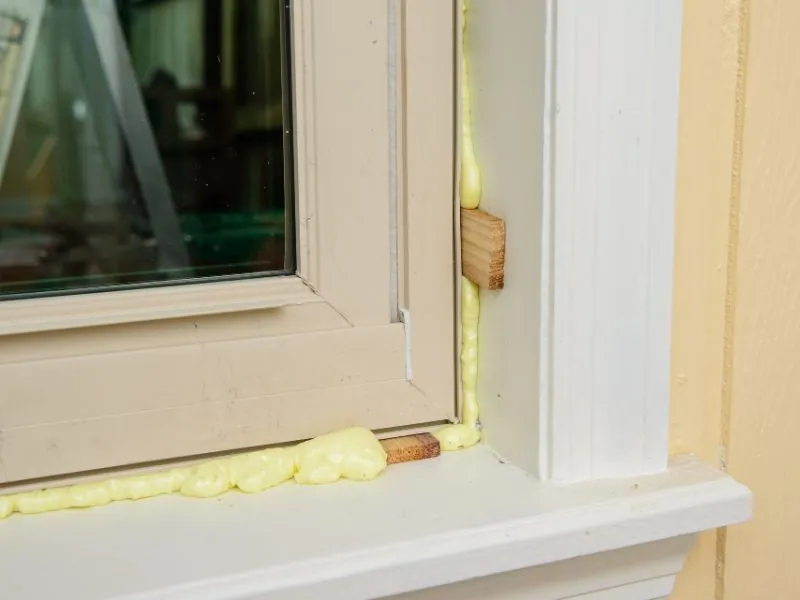
We apply open- or closed-cell spray polyurethane foam that insulates and air-seals in one step. It's especially useful where there isn't room for conventional insulation, or where air sealing matters most.

We mask and protect finishes, then apply foam to the specified thickness at roof decks, rim joists, underfloors or wall cavities. Closed-cell foam is used where we need higher R-value per inch, and open-cell where sound control is the priority. Occupants stay out during application and curing.

Spray foam is ideal for Pasadena's mid-century homes with shallow roof cavities, conditioned-attic conversions where ducts run overhead, and crawlspace rim joists. Its air-sealing also helps keep out Santa Ana dust and wildfire smoke.

Best for: Low-slope or cathedral ceilings, homes with attic ductwork, owners focused on air quality, and homes adding heat pumps or electrifying.

Explore

Insulation Installation

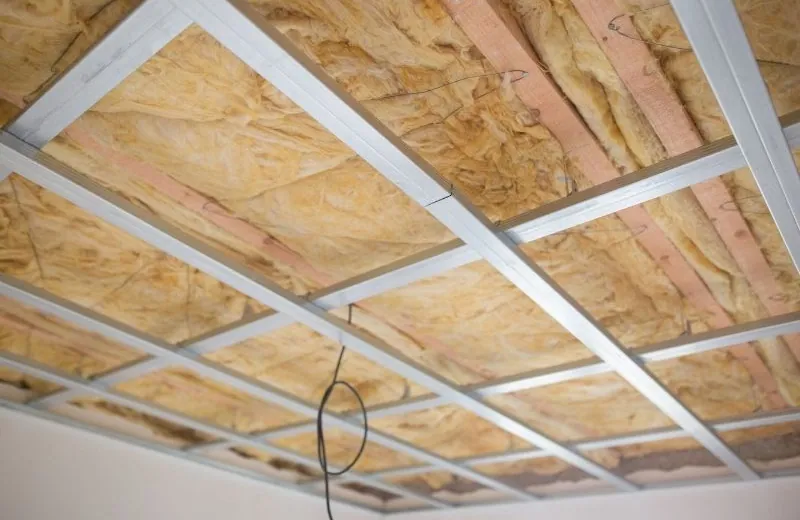
Full installation for walls, ceilings, floors, additions, ADUs and remodels. We choose fiberglass, mineral wool, cellulose or foam based on your assembly, your budget and Title 24 requirements.

We install batts and rolls in open framing during remodels. Existing closed walls get dense-pack. Fit and fill are checked before the insulation is covered, so the walls pass inspection and the installed R-value matches the label.

Pasadena's ADU boom and post-fire rebuilds need insulation that passes city inspection on the first visit. In historic homes, we drill closed walls from the inside when that keeps original siding untouched and avoids extra historic-district review.

Best for: Remodels, additions, ADUs, Eaton Fire rebuilds, and older homes with uninsulated exterior walls.

Explore

Blown-In Insulation

We install loose-fill fiberglass or cellulose that fills irregular joist spaces, flows around wiring and blocking, and adds R-value without tearing anything out.

Material is blown through hoses from the truck, so there's minimal foot traffic through your home. We set depth markers, use the correct settled-density coverage, and dense-pack wall cavities through small drilled holes that are then plugged and patched.

Blown-in is the most practical choice for tight bungalow attics in Bungalow Heaven and Orange Heights, where batts can't be pushed into the eaves. Pasadena's dry climate keeps loose-fill stable and performing for years.

Best for: Topping off existing insulation, uninsulated attics with limited headroom, and wall retrofits that keep original plaster in place.

Explore

Crawl Space Insulation

Underfloor insulation and sealing for raised wood floors. It ends cold floors, cuts winter heat loss, and reduces dust and odors coming up from the crawlspace.

We seal pipe and wire penetrations, then install batts between floor joists with wire supports or netting. Spray foam goes on rim joists. Vapor and pest concerns are noted, and we work carefully around plumbing and seismic hardware.

Almost every pre-war Pasadena home sits over a vented crawlspace. If you've recently done a foundation bolting or cripple-wall retrofit, the crawlspace is already open and accessible. That's the cheapest time to add underfloor insulation.

Best for: Craftsman and Revival homes with cold floors, homes after a seismic retrofit, and rooms over garages or open porches.

Explore

Insulation Removal

Safe removal of contaminated, damaged or obsolete insulation: smoke- and ash-affected material, rodent-soiled insulation, wet or matted batts, and old rock wool.

We use high-powered vacuum removal into sealed bags, with your living space protected and under containment. After removal, the attic is HEPA-cleaned and sanitized. Suspected vermiculite is tested first, and if it's positive, certified abatement is handled under AQMD Rule 1403.

Many Pasadena attics near the Altadena line still hold smoke-contaminated insulation from the Eaton Fire. We photograph conditions before and after removal so your insurance claim has the documentation adjusters typically ask for.

Best for: Eaton Fire–affected homes, roof-rat infestations, persistent attic odors, and anyone preparing for a full re-insulation.

Explore

Insulation Replacement

A complete tear-out and reinstall that brings an underperforming attic or crawlspace up to current Title 24 levels, with air sealing and corrected ventilation handled in the same project.

We remove the old material, clean the space, seal air leaks, fix baffles and hatch details, and install new insulation to specified R-values. We coordinate with your HVAC contractor or electrician if ducts or wiring need attention first.

This is the most common path for fire-affected homes, rodent-damaged attics and 1950s homes with thin rock wool. Doing it in one project also prepares your home for a right-sized heat pump or new rooftop solar.

Best for: Attics with contaminated or failed insulation, fire restoration projects, and owners who want one complete upgrade.

Explore
Know The Signs

Common Insulation Problems in Pasadena Homes

These are the problems we see most often in Pasadena attics, walls and crawlspaces. Some just cost you money and comfort. Others, like fire contamination or possible asbestos, have to be dealt with before anything else. Knowing which ones you have tells you where to start.

Smoke- and Ash-Contaminated Attic Insulation (Eaton Fire) Emergency

After the January 2025 Eaton Fire, smoke, soot and fine ash got into the attics of many homes that were still standing. Fiberglass and cellulose act like a filter and trap the particulates and odor. Over time, air movement pulls them back down into your living space.

Why it's common here

Attics in Pasadena are vented by design, and Santa Ana winds were driving the fire. Smoke and ash pushed through gable vents, eave vents and gaps around recessed lights in homes across northwest Pasadena and near the Altadena line. Older Craftsman and bungalow attics with open rafter-tail eaves were especially exposed. Insurers often want contamination documented and removed following a set protocol, and many homeowners don't realize the attic is part of the claim until a smoky smell keeps coming back on hot afternoons.

Signs you'll notice
  • Smoky or burnt odor that gets stronger when the attic heats up
  • Gray or black discoloration on the insulation surface
  • Ash or soot around vents, can lights or attic hatches
  • Lingering odor after the indoor cleanup is finished
  • More allergy or respiratory symptoms indoors
  • Insurance adjuster has flagged the attic as a concern
Local patterns

We see this most in Northwest Pasadena and the neighborhoods closest to Altadena, and in Historic Highlands and Linda Vista homes downwind of the fire. Craftsman homes with open eaves and older homes with unsealed can lights were hit harder.

Our fix: We document conditions for your claim, vacuum out the contaminated insulation, HEPA-clean the attic, air-seal the leaks, and reinstall new insulation to Title 24 levels.

Uninsulated or Badly Settled Attics Serious

Many older Pasadena attics have no insulation, or just a few inches of old rock wool or fiberglass that has settled to R-11 or less. That's far below the roughly R-38 that Title 24 calls for in Climate Zone 9 when the attic is upgraded.

Why it's common here

Homes built before 1950 were usually built with nothing in the attic, and most of Pasadena's core neighborhoods went up before 1950. When insulation was added later, it was often thin by today's standards, and decades of settling, rodent activity and foot traffic have compressed it. With 140°F attic air above, heat comes through the ceiling all afternoon and stays in the rafters into the evening. Your AC runs hard, and rooms under the roofline don't cool down until late at night.

Signs you'll notice
  • Ceilings warm to the touch on summer afternoons
  • Upstairs or back bedrooms 5–10°F warmer than the rest of the house
  • AC running into the late evening
  • Ceiling joists visible above the insulation
  • Rising summer PWP bills
  • Cold rooms on winter nights despite the heater running
Local patterns

Typical of Craftsman bungalows in Bungalow Heaven, Orange Heights and Garfield Heights, bungalow courts near Playhouse Village, and 1920s Revival homes in Madison Heights, where low-pitched roofs trap the most heat.

Our fix: We air-seal the ceiling first, then blow in loose-fill or install batts to R-38 or higher, with baffles to keep eave ventilation open.

Possible Vermiculite (Asbestos) Insulation Serious

Vermiculite is a loose, pebbly insulation, gray-brown or gold, that was common in mid-century attics. Some vermiculite contains asbestos. It shouldn't be disturbed, vacuumed or covered over until it's been tested.

Why it's common here

Pasadena has a large stock of homes from the 1920s through the 1960s, the period when vermiculite was widely sold as an attic top-up. Many owners don't know it's up there, especially if it's buried under newer fiberglass. South Coast AQMD Rule 1403 requires testing and certified abatement for suspected asbestos-containing material. Because of that, it's the first thing we look for before quoting any attic work in an older home.

Signs you'll notice
  • Pebble-like granules, gray-brown or silver-gold
  • Granules sifting through ceiling fixtures or cracks
  • Loose material between the attic joists
  • A layer of granules under newer fiberglass
  • Home built or re-insulated between the 1940s and 1970s
Local patterns

Most often found in postwar homes in Hastings Ranch, Chapman Woods and Lamanda Park, and in older Revival homes in Prospect Park and South Arroyo that were re-insulated mid-century.

Our fix: We stop work and arrange testing. If it comes back positive, certified abatement is coordinated first. After that, we install new insulation and air-seal.

Rodent-Contaminated Insulation Serious

Roof rats nest in attic insulation, tunnel through it and leave droppings and urine behind. The insulation loses R-value, holds odors and allergens, and can attract more pests until it's removed.

Why it's common here

Pasadena's mature tree canopy of oaks, sycamores, palms and old citrus gives roof rats an easy path onto roofs and in through gaps at rafter tails and vents. Older homes have a lot of these entry points. Warm, undisturbed attic insulation is ideal nesting material. We find rodent activity in a large share of the pre-war attics we inspect, especially on tree-lined blocks.

Signs you'll notice
  • Scratching or scurrying overhead at night
  • Droppings on top of the insulation
  • Tunnels or flattened paths through the insulation
  • Musty or ammonia odor
  • Chewed wiring or duct wrap
  • Gnawed vent screens or gaps at the eaves
Local patterns

Common under the heavy canopy in Linda Vista, San Rafael Heights, Madison Heights and the Arroyo neighborhoods, and in any home with branches touching the roof or open rafter-tail eaves.

Our fix: We remove the contaminated insulation, sanitize the attic, seal rodent entry points where you've authorized it, then reinsulate with fresh material.

Cold, Drafty Raised Floors Over Crawlspaces Moderate

Raised wood floors over open, vented crawlspaces with no insulation underneath. Winter air moves freely under the house, so floors feel cold and heat escapes through the floorboards and gaps around pipes.

Why it's common here

Craftsman, bungalow and Revival homes were almost all built on raised foundations with vented crawlspaces. Winter nights in the low 40s chill the crawlspace, and original wall or floor furnaces can't keep up. Seismic retrofits have opened up many of these crawlspaces, which is a good time to insulate, but the new bracing, hold-downs and plumbing make the installation more involved.

Signs you'll notice
  • Floors cold underfoot from November to March
  • Drafts at baseboards and floor registers
  • Heater running constantly on winter nights
  • Dust and odors coming up from below
  • Visible gaps around pipes through the subfloor
Local patterns

Throughout Bungalow Heaven, Historic Highlands, Garfield Heights and Prospect Park, and especially in homes that have recently had a foundation bolting or cripple-wall retrofit.

Our fix: We seal floor penetrations and install supported batts or spray foam between the floor joists, working around seismic hardware and plumbing.

Air Leaks Pulling in Santa Ana Dust and Smoke Moderate

Gaps at top plates, can lights, attic hatches, plumbing chases and duct boots. They let unconditioned attic air, dust and smoke into living areas, and insulation alone doesn't stop them.

Why it's common here

Santa Ana winds set up strong pressure differences across Pasadena homes in fall and winter. Older homes have dozens of unsealed holes between the living space and the attic, and attic ducts in many homes leak too. With Pasadena's fire seasons, this is how wildfire smoke gets in even when the windows are shut. Families with allergies or asthma notice it right away.

Signs you'll notice
  • Dust lines on carpet edges or around ceiling fixtures
  • Smoke smell indoors when windows are closed
  • Air filters clogging quickly
  • Whistling or drafts at outlets and can lights
  • Dust buildup at supply registers
Local patterns

Most noticeable in foothill neighborhoods like Linda Vista and Historic Highlands and near the Arroyo, where Santa Ana gusts hit hardest. Common in mid-century homes with many recessed lights.

Our fix: We seal ceiling penetrations with foam and fire-rated sealants, cover or replace non-IC-rated cans, and weatherstrip the attic hatch.

Hot, Uninsulated Low-Slope and Flat Roofs Minor

Mid-century homes with exposed-beam ceilings and Spanish Revival homes with flat roof sections have little or no attic space. That leaves no room for conventional blown-in insulation, so heat comes straight through the roof deck.

Why it's common here

Pasadena has a lot of post-and-beam and Eichler-style homes, plus Spanish Colonial Revival homes with flat parapet roofs. Strong sun heats these roofs fast, and there's no attic buffer to slow it down. These usually aren't urgent, but the rooms under them are hard to keep comfortable, and the right fix often depends on timing it with a re-roof.

Signs you'll notice
  • Exposed-beam ceilings radiating heat in the afternoon
  • Rooms under flat roof sections staying hot into the night
  • No attic access or only a few inches of space
  • Visible roof decking from inside
Local patterns

Common in mid-century pockets of Hastings Ranch and Linda Vista, Buff & Hensman-era homes, and the flat-roof wings of Spanish Revival homes in South Arroyo and Madison Heights.

Our fix: Where there's a gap we can reach, we install spray foam under the deck. Otherwise, we coordinate above-deck rigid insulation with your roofer during a re-roof.

Transparent Pricing

How Much Does Insulation Cost in Pasadena?

Insulation pricing in Pasadena depends on how much of the old material has to come out, how tight the attic or crawlspace is, and whether Title 24 compliance applies. These ranges are typical for local projects, but your free inspection is what sets the actual price.

Typical Project

Attic top-off in a 1950s ranch home

~1,400 sq ft attic in Hastings Ranch, clean existing insulation, air sealing plus blown-in to R-38

$2,200 – $4,200
Typical Project

Craftsman bungalow attic removal and replacement

~1,100 sq ft low-pitched attic in Bungalow Heaven, rodent-soiled rock wool removed, sanitized, air sealed, blown-in to R-38+

$4,500 – $8,500
Typical Project

Eaton Fire smoke-contaminated attic restoration

~1,800 sq ft attic in Northwest Pasadena, documented removal, HEPA cleaning, air sealing, new insulation to Title 24 levels

$7,000 – $14,000
Typical Project

Crawl space plus spray foam whole-home upgrade

~2,500 sq ft Revival home: underfloor batts, rim-joist spray foam, attic replacement with multiple sections

$12,000 – $25,000
Removal and Contamination Primary Factor

Whether old insulation has to come out first is often the biggest variable. Topping off clean insulation is far cheaper than vacuuming out rodent-soiled or Eaton Fire smoke-damaged material, sanitizing the attic and starting over. Suspected vermiculite adds testing and possibly certified abatement under AQMD Rule 1403, which is priced separately by licensed abatement firms. Removal often adds $1.50–$3.00 per square foot before any new insulation goes in.

Insulation Type and R-Value Primary Factor

Blown-in fiberglass or cellulose is the most cost-effective way to reach R-38 in an open attic. Batts cost a little more in labor. Spray foam costs the most per square foot, but it insulates and air-seals in one step and fits spaces nothing else will. Closed-cell foam costs more than open-cell. Going from R-30 to R-49 adds material but not much labor, so it's often worth it in Climate Zone 9 heat.

Access and Attic Geometry Secondary Factor

A roomy attic in a 1950s ranch goes quickly. A low-pitched Craftsman attic with 2–3 feet of clearance, a multi-section estate attic in San Rafael, or a crawlspace full of seismic bracing and plumbing takes far more labor. Homes with no attic at all, such as exposed-beam mid-century houses, may need spray foam or roof-deck work coordinated with a re-roof.

Air Sealing and Prep Work Secondary Factor

Proper air sealing of top plates, can lights, chases and hatches adds cost, but it's where much of the comfort and dust reduction comes from. Replacing non-IC-rated recessed lights, building dams around flues, or waiting on an electrician's knob-and-tube review can add to the scope as well.

Permits, Title 24 and Historic Review Situational Factor

Insulation added during a re-roof, HVAC change-out or remodel can trigger Pasadena permits, Title 24 documentation and HERS verification for duct work. Exterior wall drilling or vent changes in Landmark Districts may need a Certificate of Appropriateness. These add time and modest fees, but they protect your resale value and keep the work up to code.

Financing is available, so you can complete a full attic or whole-home project now instead of piecing it together over several summers. Ask about options during your free consultation. In Pasadena's heat, a properly sealed R-38 attic can noticeably shorten AC run times, make rooms under the roof livable, and let you install a smaller, less expensive heat pump. It also adds value to homes that often sell for well over $1 million.

Local Expertise

Why Pasadena Homes Need Better Insulation

Pasadena isn't coastal LA. It sits inland against the San Gabriels, and it has one of the oldest housing stocks in Southern California plus more historic districts than almost any city its size. Put those together and you get homes that run hot in summer, cold in winter and take skill to retrofit.

Climate Zone 9: Hot Attics, Cold Nights and Santa Ana Dust

Pasadena is in California Building Climate Zone 9, at roughly 800–1,200 feet elevation. From July through September, highs average 88–90°F, and heat waves regularly go past 100°F. Under strong sun and a high UV index, attic air reaches 140–150°F. A ceiling with R-11 or less, or nothing at all, can't hold that back. Winter nights drop into the low 40s, so homes with uninsulated walls and raised floors lose heat quickly. Nearly all of the city's 18–20 inches of annual rain falls between November and March, so attics stay dry most of the year. That makes blown-in and batt products dependable here. The bigger threat is the Santa Ana wind, which pushes desert dust and wildfire smoke through attic vents, can-light gaps and other air leaks. In Pasadena, air sealing matters for indoor air quality as much as for comfort.

A Century of Homes Built Without Insulation

Most Pasadena homes built before 1950 were never insulated. Craftsman bungalows from 1900–1930, Mission and Spanish Colonial Revival homes from the 1920s, Tudors and bungalow courts all tend to share the same build: wood framing, lath-and-plaster or old-growth wood siding, vented attics under low-pitched roofs, and raised wood floors over crawlspaces. When we open these attics, we usually find thin or settled rock wool, possible vermiculite, roof-rat droppings from the city's mature tree canopy, leaky attic ducts, recessed lights that can't touch insulation, and sometimes live knob-and-tube wiring. The 1940s–60s ranch and mid-century homes come with their own issues. Flat or low-slope roofs and exposed-beam ceilings leave little or no attic, so roof-deck or spray foam approaches often work better there.

Title 24, Historic Districts and Fire-Zone Rules

Insulation in Pasadena has to meet California Title 24, Part 6. In Climate Zone 9, an attic ceiling insulated during a re-roof or other major alteration generally has to reach about R-38. Duct and HVAC changes can trigger HERS verification. Permits and inspections go through Pasadena's Planning & Community Development / Building & Safety division. The city also has more than 20 Landmark Districts, including Bungalow Heaven, Prospect Park and Lower Arroyo Seco. Exterior changes in these districts, such as drilling siding for wall insulation, changing roof vents or adding roof-deck insulation, may need a Certificate of Appropriateness. Foothill neighborhoods in high and very high fire hazard severity zones fall under Chapter 7A, which affects vent and material choices. Suspected vermiculite falls under South Coast AQMD Rule 1403, which requires testing and certified abatement before anything else happens.

Who's Insulating in Pasadena and Why

Many Pasadena homeowners work at Caltech, JPL or in engineering and biotech, and they want to see R-values, air-leakage numbers and payback math before they decide. Historic-home owners care about keeping original plaster and rafter tails intact. Estate owners in San Rafael and the Arroyo want whole-home solutions that cover multiple attic sections and guest houses. Families in Northwest Pasadena and near Altadena are working through Eaton Fire insurance claims and smoke cleanup. And more households are adding heat pumps, solar or full electrification. Insulation makes all of those upgrades work better, because a well-sealed house can get by with a smaller heat pump.

Bright Home Insulation Insulation Contractor in Pasadena, CA project in Pasadena, CA (1)
Pasadena, CA
Bright Home Insulation Insulation Contractor in Pasadena, CA project in Pasadena, CA (2)
insulation
Talk to a Local Expert
The Bright Home Insulation Difference

Why Pasadena Homeowners Choose Bright Home Insulation

We Know Pasadena's Houses, Not Just Insulation

A Bungalow Heaven Craftsman, a Hastings Ranch ranch and a San Rafael Heights estate each need a different approach. We know what's usually hiding in these attics: settled rock wool, roof-rat nests, can lights not rated for insulation contact, and old ducts losing cooled air. We plan for it instead of finding out halfway through the job. We also understand Climate Zone 9. In this climate, attic heat is the main enemy, Santa Ana dust comes through every gap, and winter nights are cold enough to make a raised floor uncomfortable.

Bonded and Insured for Your Protection

Insulation work means our crew is inside your home, in your attic and under your floors, so you should be protected if something goes wrong. Bright Home Insulation is bonded and insured. Before any contractor starts work, ask to see their bonding and insurance and verify them. We'll gladly provide ours with your proposal. That matters even more in high-value Pasadena homes, where original plaster, old-growth trim and custom finishes can't simply be replaced.

Specialists in Attic, Spray Foam and Insulation Installation

Insulation is all we do. Attic insulation, spray foam and full insulation installation are our core work, and the rest of our services support them: blown-in, crawl space, removal and replacement. Because we specialize, we know the details that decide whether insulation performs. Air sealing has to come before insulation, baffles keep eave vents open, depth has to be right after settling, and the attic hatch can't be left as a hole in the envelope. Small details like these make the difference between R-38 on paper and R-38 in practice.

Respect for Historic Homes

Pasadena owners care about their homes' original character, and so do we. When we can, we drill wall cavities from the inside to protect old-growth siding. We don't alter rafter tails or original vents without your approval. And we flag anything that might need historic-district review before it becomes a problem. Plaster gets patched neatly. Floors, built-ins and stair runners get covered before any equipment comes through the door. You end up with a more comfortable home that still looks the way it should.

Clear Communication and Straightforward Pricing

You'll get a written, itemized proposal that shows what we're installing, where it goes, the target R-value and what it costs. When there's more than one good option, such as blown-in versus spray foam, we show both and explain the trade-offs. Our crew tells you when they'll arrive, sends updates during the job and walks you through the finished work with photos. If we find something unexpected, like vermiculite, we stop and talk to you before going further.

Help With Fire-Damaged Attics and Insurance Claims

Many Pasadena families are still dealing with the Eaton Fire's aftermath. Smoke and ash in attic insulation are easy to miss and hard to get rid of. We document conditions before, during and after removal, follow contamination-cleanup practices, and provide the photos and scope details adjusters typically ask for. Then we reinstall to current code so the attic ends up better than it was before the fire.

Financing That Makes Whole-Home Upgrades Possible

A full attic replacement or crawlspace project is a real investment, especially if it's paired with a heat pump, re-roof or solar install. We offer financing so you can do the job right the first time instead of splitting it into partial fixes. We can also help you check whether any Pasadena Water and Power or SoCalGas efficiency programs are available when you book.

Simple & Transparent

How Our Insulation Process Works

Five steps take you from the first phone call to final cleanup, with no surprises. At each stage we tell you what we found, what we recommend and why, and what it will cost before any work begins.

Free Consultation and Attic/Crawlspace Inspection

Usually scheduled within the week; 45–90 minutes on site
  • We look at your attic, crawlspace and accessible walls and photograph what we find
  • We measure existing insulation depth and estimate current R-value
  • We check for vermiculite, rodent activity, smoke contamination, knob-and-tube wiring and non-IC can lights
  • We talk through comfort problems, energy bills and any insurance claim

Local note: In historic districts like Bungalow Heaven or Prospect Park, we note any work that could affect the exterior so we can plan around Certificate of Appropriateness requirements.

Clear Written Proposal

Typically within 1–3 business days
  • Itemized scope with target R-values and materials
  • Options listed side by side when more than one approach works
  • Notes on permits, Title 24 or HERS requirements when they apply
  • Financing options explained if you want them

Local note: We flag anything that needs outside help first, such as asbestos testing, an electrician's review of knob-and-tube, or duct sealing.

Prep, Permits and Scheduling

A few days to a few weeks, depending on permits or testing
  • We pull permits when the scope requires them
  • We coordinate with your roofer, HVAC contractor or restoration team
  • We confirm the install date and arrival window
  • Pre-job instructions for pets, parking and attic access

Local note: Fire-related jobs are scheduled around adjuster visits and documentation needs.

Installation Day

Most attics take 1 day; removal plus reinstall or whole-home jobs take 2–4 days
  • Floors, furniture and the access path are covered and protected
  • Old material is removed and the space cleaned, if that's in the scope
  • Air sealing comes first, then baffles, then insulation to the specified depth
  • Daily updates on progress

Local note: On hot summer days we start early so our crew isn't working in peak attic heat.

Walkthrough, Cleanup and Documentation

Same day as completion
  • Photos showing installed depth and coverage
  • Final walkthrough with you
  • Full cleanup of work areas
  • City inspection or HERS verification coordinated when required

Local note: Insurance clients receive before-and-after photo documentation for their claim file.

Trusted Locally

Trusted by Pasadena Homeowners

Service Radius from Pasadena
20 mi
Pasadena, CA

Pasadena homeowners call us because we explain what's in their attic in plain terms, show them photos, treat their historic homes with care and clean up when we're done. Ask us for examples of projects near you during your consultation.

7
Insulation Services Offered
$0
Cost for Your Consultation
R-38+
Attic Target for Climate Zone 9
BondedInsuredFinancing available
Where We Work

Insulation Services Across Pasadena

We're based in Pasadena and work throughout the city, from foothill neighborhoods along the San Gabriels to the historic districts in the center of town and the postwar east side. Each part of Pasadena has its own housing stock and its own insulation needs.

Historic Core and Central Pasadena

Bungalow HeavenPlayhouse VillageProspect ParkOrange HeightsGarfield Heights

West Side, Arroyo and Foothills

Linda VistaSan Rafael HeightsSouth ArroyoLower Arroyo SecoHistoric HighlandsNorthwest Pasadena

East Pasadena and Mid-Century Neighborhoods

Hastings RanchChapman WoodsLamanda ParkMadison Heights

Not sure if we cover your area? Call (626) 507-4232.

Find Us

Serving Pasadena, CA & Nearby

131 N San Gabriel Blvd, Pasadena, CA, 91107 · Monday - Sunday: 7AM - 7PM

Bungalow HeavenPlayhouse VillageProspect ParkOrange HeightsGarfield HeightsLinda VistaSan Rafael HeightsSouth ArroyoLower Arroyo SecoHistoric HighlandsNorthwest PasadenaHastings RanchChapman WoodsLamanda Park
Questions & Answers

Pasadena Insulation FAQs

How much does attic insulation cost in Pasadena?

Most Pasadena attic projects run from about $2,200 to $8,500. A simple top-off over clean insulation in a roomy ranch-house attic is at the low end. Removing rodent-soiled or old rock wool from a tight Craftsman attic, then air-sealing and reinsulating to R-38, is toward the high end. Smoke-contaminated attics from the Eaton Fire and large multi-section estate attics can cost more. The biggest variables are removal, access and whether spray foam is needed. We give you an itemized written proposal after a free inspection, and financing is available.

How long does an insulation project take?

A typical attic top-off or blown-in job takes one day. If old insulation has to be removed first, plan on 1–2 days for an average Pasadena home, and 2–4 days for large estates, crawlspace-plus-attic work or spray foam projects. Spray foam needs a curing period before you go back into the treated area. If permits, asbestos testing or an electrician's review are needed, there can be some lead time before the install date, and we'll tell you about it up front in your proposal.

Do I need a permit to add insulation in Pasadena?

It depends on the scope. A simple attic top-off often doesn't need a permit. Insulation added as part of a re-roof, HVAC change-out, addition or remodel usually does trigger Pasadena Building & Safety permits and California Title 24 compliance, which in Climate Zone 9 generally means about R-38 at the attic ceiling. Duct work may require HERS verification. In Landmark Districts like Bungalow Heaven or Prospect Park, exterior work such as drilling siding or changing vents may need a Certificate of Appropriateness. We'll tell you which rules apply to your project.

Can you insulate the walls of my historic Craftsman without damaging it?

Usually, yes. In many Pasadena historic homes, the best approach is dense-packing wall cavities through small holes drilled from the inside. The holes are then plugged and patched in the plaster. That leaves original old-growth siding untouched and often avoids exterior historic review. When exterior drilling makes more sense, we plan it so the siding can be patched cleanly, and we flag any Certificate of Appropriateness requirements first. Before covering anything, we also check for knob-and-tube wiring, which needs an electrician's review if it's still live.

My home survived the Eaton Fire. Does my attic insulation need to be replaced?

If you notice a smoky odor that gets worse on hot days, gray or dark discoloration on the insulation, or ash around vents and can lights, the insulation has likely trapped smoke and particulates and should be removed. Cleaning insulation in place generally doesn't work. We inspect and photograph the attic, then remove the contaminated material and HEPA-clean the space. After that, we air-seal and install new insulation to current code. Many insurers require documentation, so we provide before-and-after photos and a detailed scope for your claim file.

How can I tell if I have vermiculite or asbestos in my attic?

Vermiculite looks like small pebbly granules, usually gray-brown or silver-gold, and it's often hidden under newer fiberglass. It was common in homes insulated between the 1940s and 1970s, which describes a lot of Pasadena. Don't touch it, vacuum it or store things on top of it. South Coast AQMD Rule 1403 requires testing, and certified abatement if asbestos is confirmed. If we spot suspected vermiculite during an inspection, we stop and arrange testing before doing any work. New insulation goes in only after the attic is cleared.

What's the best way to keep my Pasadena home cooler in summer?

Start with the attic. Seal air leaks at the ceiling plane, then bring the insulation up to at least R-38, with baffles so eave vents stay open. That one step often makes the biggest difference in a Climate Zone 9 home. If you have ducts in the attic, ask your HVAC contractor to seal them or have them sealed and insulated. For homes with low-slope or exposed-beam roofs, spray foam under the deck or above-deck insulation during a re-roof will help. Shading west-facing windows makes a difference too.

When should I insulate instead of waiting?

Act right away if there's smoke contamination, rodent activity or suspected vermiculite, because those affect your health and get worse over time. Plan ahead and insulate before or with a re-roof, heat pump installation, solar install or seismic retrofit, when access is easiest and code requires it anyway. Otherwise, spring is ideal: you'll be ready before July–September heat waves push attics to 140°F, and booking is easier before summer demand. If your upstairs rooms are already unbearable, there's no reason to wait.

Book Your Free Pasadena Insulation Consultation

Whether your bungalow attic is bare, your floors are cold all winter or your insulation still smells like smoke, we'll show you exactly what's there and what it takes to fix it, at no cost.

  • Free on-site inspection of your attic, crawlspace and accessible walls
  • Photo report of current insulation depth and condition
  • Itemized written proposal with target R-values and options
  • Upfront guidance on Title 24, permits and historic-district considerations
  • Insurance documentation support for fire- or smoke-affected attics
  • Bonded and insured crew that protects your home
  • Financing available for larger projects

Serving homes throughout Pasadena, from Bungalow Heaven and Linda Vista to Hastings Ranch and San Rafael Heights, within a 20-mile radius.

If you have smoke or ash in your attic, signs of active rodent contamination, or suspected vermiculite, call us before you disturb it. We'll put your inspection at the front of the schedule.

Bonded • Insured

Call (626) 507-4232 Free Estimate